WAFWA Welcomes Tim Griffiths
We begin the month of December welcoming our newest full-time WAFWA staff member, Tim Griffiths, as our new Sagebrush Conservation Initiative and Western Working Lands Coordinator.
Tim Griffiths has extensive experience providing vision and leadership in conserving large landscapes important to people and wildlife. As Western Lead for USDA’s Natural Resources Conservation Service’s Working Lands for Wildlife (WLFW), Tim helped create and coordinate many of the West’s largest conservation efforts. By combining agricultural productivity with wildlife habitat restoration and ecosystem resilience, this voluntary and incentive-based approach has proven extremely popular for both partners and landowners alike. Notable efforts include the Sage Grouse Initiative and Migratory Big Game Initiatives as well as Frameworks to conserve Sagebrush and Great Plains Grassland biomes. Tim helped make partnerships central to WLFW from Day 1 and worked tirelessly to find opportunities for anyone to contribute to the broader vision of achieving wildlife conservation through sustainable ranching. Under his leadership, 13.6 million acres of western working lands have been conserved with 4,513 landowners participating. In 2011, Tim received the Secretary of Agriculture Honor Award for his work on creation of the Sage Grouse Initiative and in 2016 was awarded the Abraham Lincoln Award for leadership expanding the vision through Working Lands for Wildlife. Tim grew up in the Klamath Basin of southern Oregon and obtained a B.S. degree in Wildlife Science from Oregon State University. He lives in Three Forks, Montana with his wife and children and enjoys hunting, camping and long distance running through the mountains.
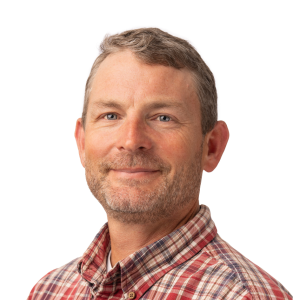
In his new position, half of Tim’s time will be spent overseeing the administration and business development of WAFWA’s Sagebrush Conservation Initiative working with member states and partner agencies and organizations to identify and fill the highest priority gaps in scientific knowledge needed to effectively conserve sagebrush-dependent species.
The other half of his time will be spent on the coordination and development of western working land conservation outputs focusing on multijurisdictional state conservation priorities, promoting partner relations. He will focus this effort across grassland, riparian, and sagebrush ecosystems, including fish and wildlife migration and connectivity efforts. Tim brings a great deal of practice field and policy experience to these topics and we are excited to see how these skills will add to WAFWA’s Initiatives.
Tim brings a wealth of wisdom and enthusiasm for the conservation of sage ecosystems and working lands to our team.
Comments (0)