Desert Fish Habitat Partnership
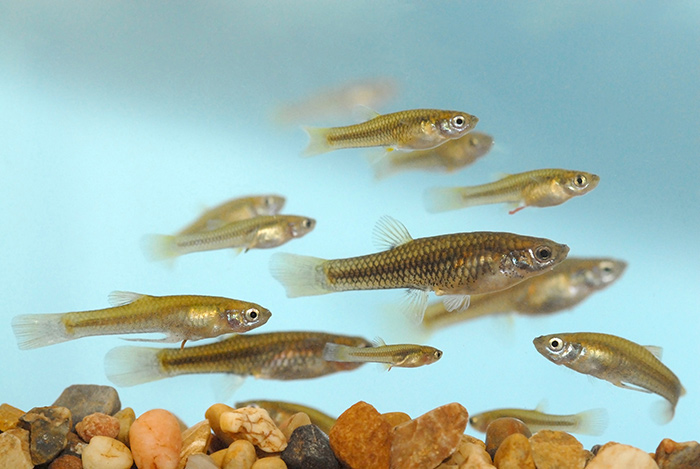
The Desert Fish Habitat Partnership (DFHP) is a public-private partnership focused on conserving aquatic habitats in the arid west for desert fishes and enhancing these unique habitats in cooperation with State, Federal, Tribal, NGO, and private partners and stakeholders with the goal of assisting these partners in accessing resources to implement on-ground projects to benefit desert fish species and the habitats they depend on. The declining status of many desert fishes and the habitat they rely on highlights the importance of preserving these species so that water is available for both native fish and humans into the future.
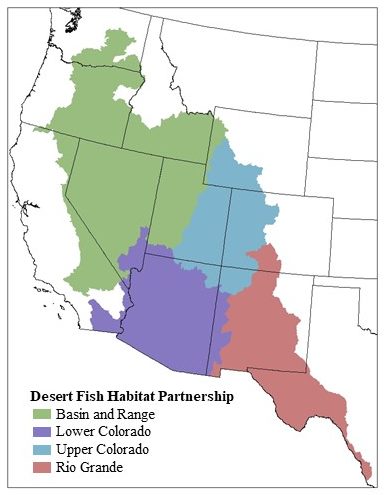
Formed in 2005, DFHP was recognized as a National Fish Habitat Partnership by the NFHP Board in March 2009 and became an Initiative of the Western Association of Fish and Wildlife Agencies in 2024. DFHP’s geographic scope encompasses the entirety of the Great Basin and Mohave deserts, and those portions of the Sonoran and Chihuahuan deserts that lie within the United States. This includes all or portions of 11 western states and approximately 705,000 square miles. DFHP is one of only two National FHPs focused primarily on non-game native fishes
Since 2009 DFHP has worked with almost 90 partners to direct over $2.2 million in federal fish habitat funds, leveraged with over $11 million federal and non-federal matching dollars to support 70 fish habitat projects in 10 of the 11 states within DFHP’s geographical boundary. In collaboration with our partners, we have removed 15+ barriers to fish passage reconnecting over 200 miles of stream; enhanced, restored, or protected over 300 stream miles; Installed more than 200 instream habitat structures; and enhanced or protected over 8,000 acres of associated riparian and upland habitat.
For more information, visit www.desertfhp.org/
Desert Fish Habitat Partnership FY27 Request for Proposal
DFHP has released our Request for Proposals for FY27 project funding through the National Fish Habitat Partnership. Proposals will be accepted until 5PM Pacific Time, Friday, October 2nd, 2026. The RFP Announcement, application forms, and complete information for applicants are available at www.desertfhp.org/rfp. Please contact Jon Sjoberg, the DFHP Coordinator, at jon.sjoberg@wafwa.org with any questions!
Fiscal Year 2026 PROJECT UPDATE
DFHP is excited to announce the approval of FY26 National Fish Habitat Partnership funding for five projects supporting native desert fish and aquatic habitat conservation. These projects combine $158,750 in National Fish Habitat Partnership project funding with $1,181,860 in non-federal match and other partner funding for a match ratio of almost 7.5:1!
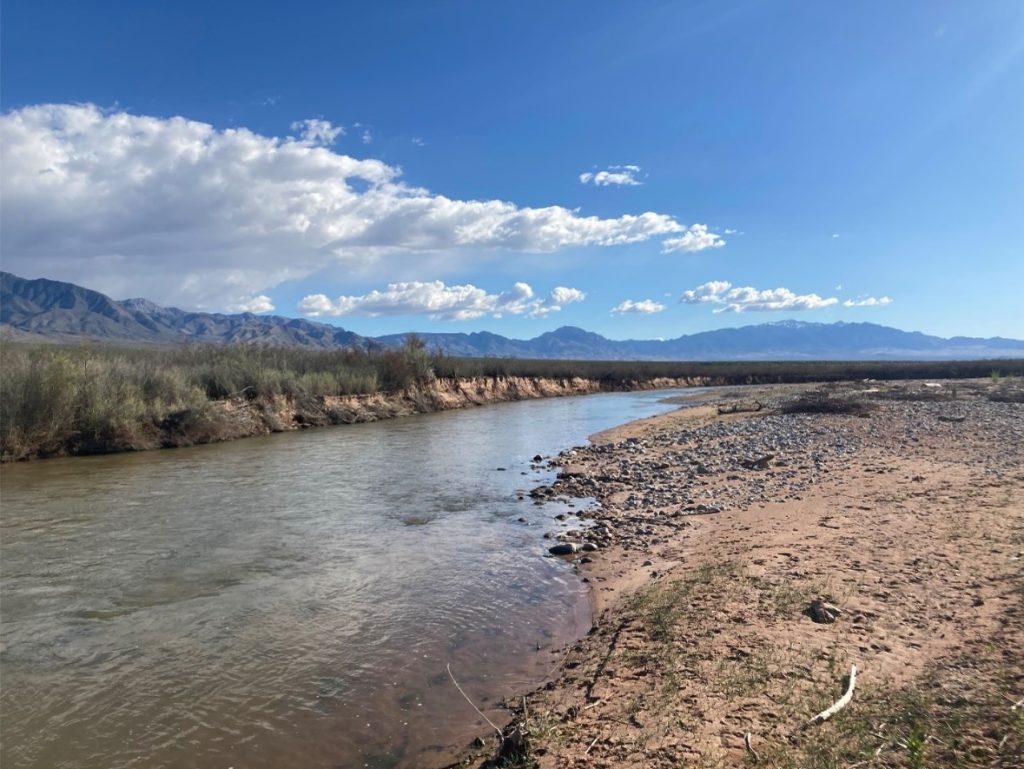
Boulders as Aquatic Restoration: Improving Instream Habitats for Virgin River Native Fishes
Nevada Department of Wildlife
This project will enhance habitat conditions within an area of the Virgin River which has experienced several human modifications, making suitable native fish habitat scarce. This will be accomplished by adding boulder structures into the river to form heterogenous and deeper habitat in reaches where anthropogenic alterations have created shallow habitats unsuitable for sustaining native fish populations. Although the Virgin River has perennial flows throughout the year in this reach of the river, water diversions can remove a majority of the water from the river during hot summer months when deeper habitats are needed to allow native fish to persist.
Camp/Augur Creek Fish Passage Project
Lake County Umbrella Watershed Council
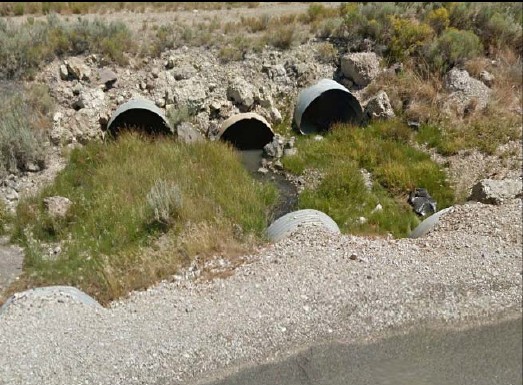
The project involves four structures on Camp/Augur Creek that impede upstream fish migration and will extend upstream connectivity and access to 3 miles of stream. Access to upstream habitat is critical for native fish in the Goose Lake watershed as it is located within a closed basin on the edge of the high desert. The goal is to restore native fish population, abundance, and resilience by implementing fish passage for multiple native fish species including Goose Lake Lamprey, Goose Lake Tui Chub, Goose Lake Sucker, Pit-Klamath Brook Lamprey, Pit Sculpin, and Speckled Dace.
In-stream Restoration of the Muddy River Headwaters
U.S. Fish and Wildlife Service Refuges
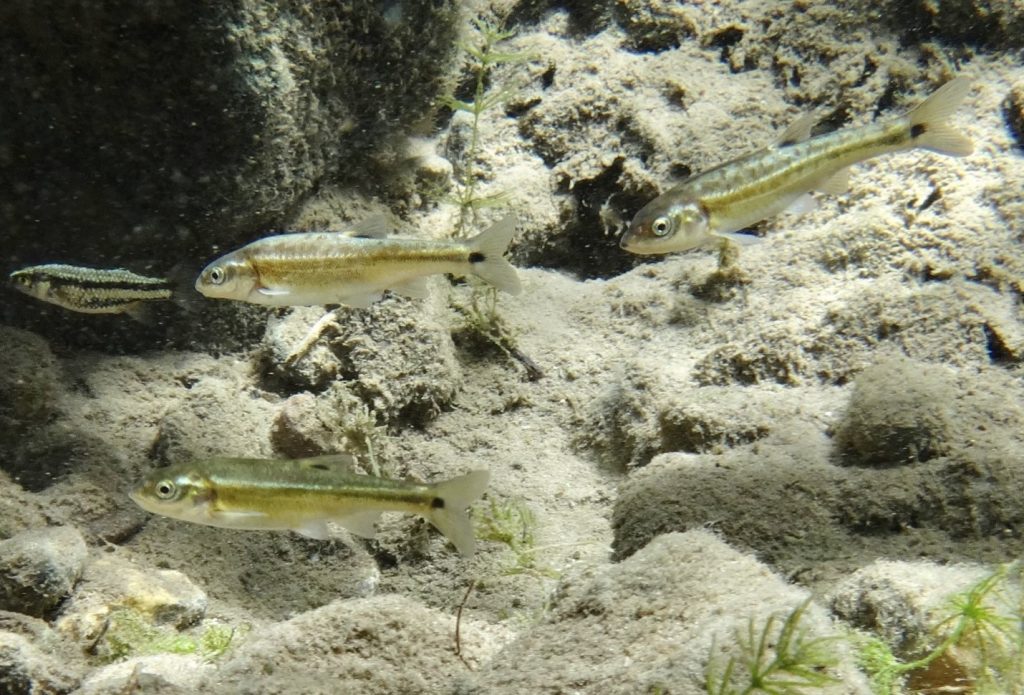
The Moapa Valley is home to warm springs and streams that contain a unique endemic system of underwater life in the desert, including the Moapa Dace, Moapa White River Springfish, and the Virgin River Chub. Partnering with the Southern Nevada Water Authority, this project will address invasive species threatening the integrity and hydrologic conditions of the streams by growing thick monocultures within the stream channel, including eelgrass and cattails. These species must be periodically removed to maintain the integrity of the system for optimal fish habitat and for access to monitor species of concern. The project will fund youth work crews to efficiently accomplish this invasive species removal and restore optimal hydrologic conditions for the rare endemic species that inhabit this unique area.
Lewis Center Tui Chub Restoration
Lewis Center for Educational Research (LCER)
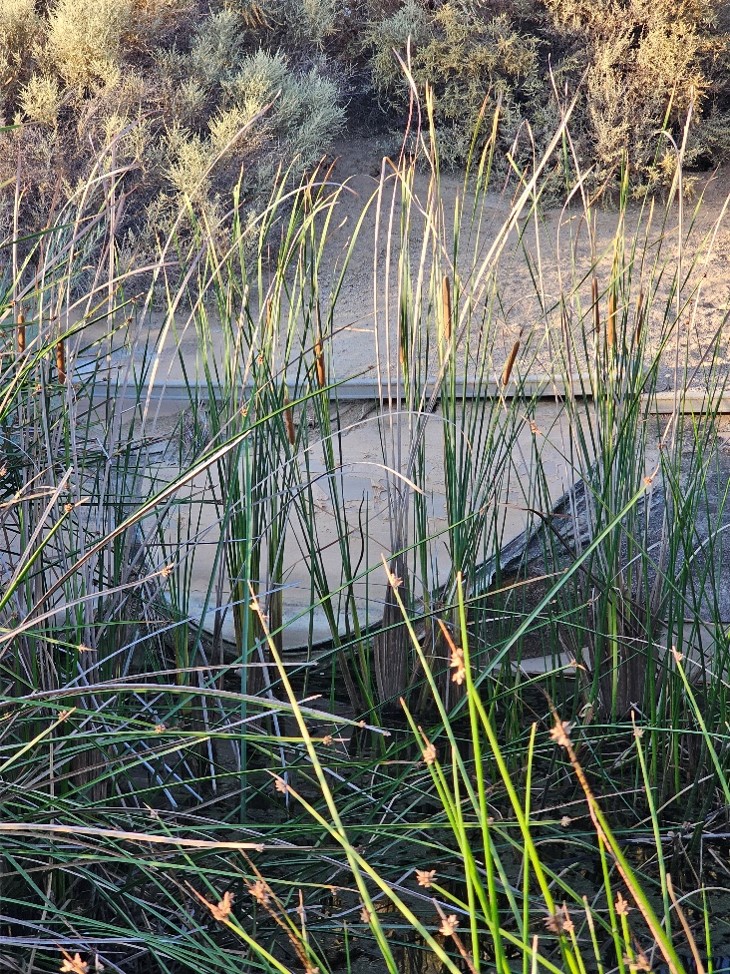
This project will restore a refuge habitat for the only fish species endemic to the Mojave River Watershed, the Mohave tui chub. Tui Slough is one of 5 designated refugium for Mohave tui chub. The Tui Slough habitat is impacted by overgrowth of cattails and three-square bulrush and is overrun with mosquitofish and bullfrog, and the existing pond liner is almost 20-years-old and torn and degraded. Restoration work will include removal and disposal of all cattails and the old pond liner, installation of a new liner, and the addition of a wi-fi connected water level sensor to facilitate remote monitoring of the site.
Sharing the Successes and Challenges of Native Fish Conservation in the Grand Canyon with Communities, Classrooms, and Online Audiences
Freshwaters Illustrated
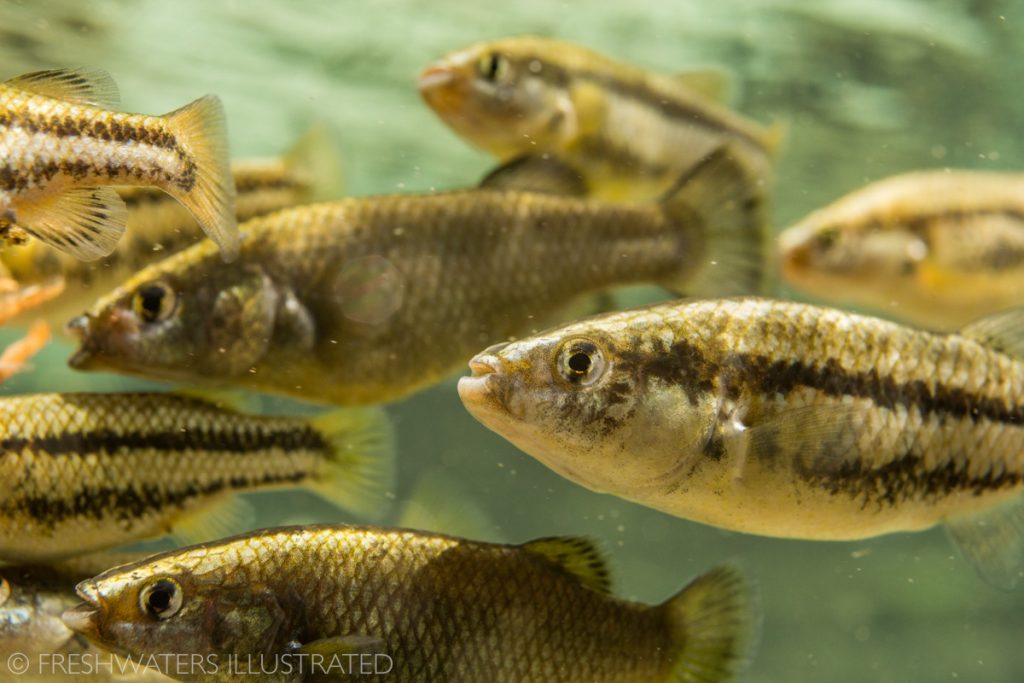
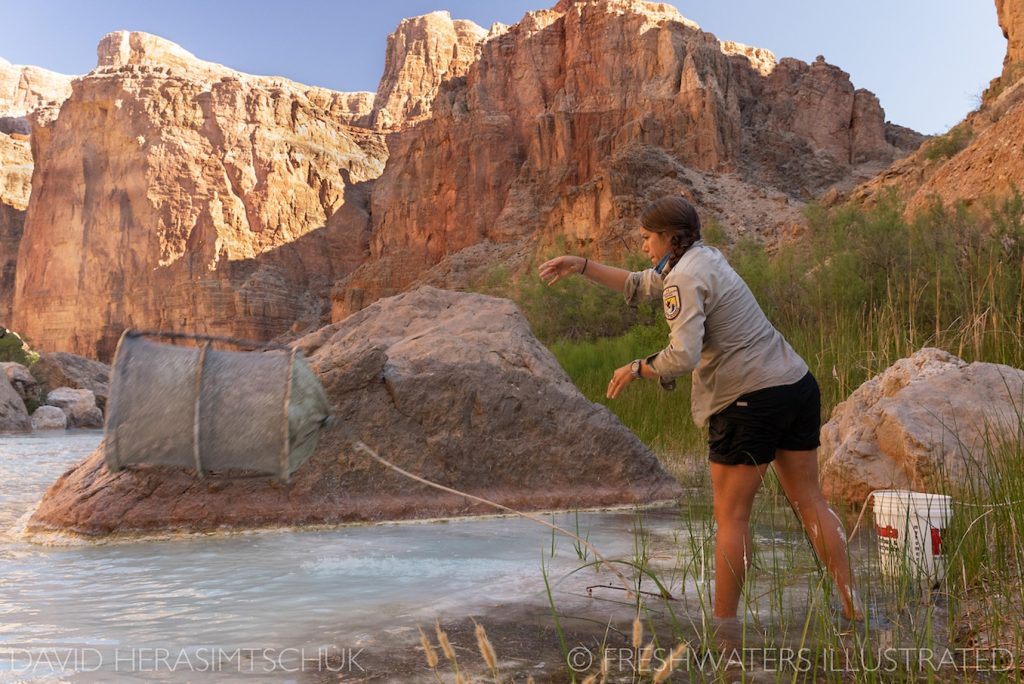
Working in collaboration with Federal, State, and Tribal partners, Freshwaters Illustrated will produce a short film, video short series, image set, and educator materials to help raise public awareness and conservation ethos around the beauty, nature, and value of desert fishes, their habitats, and their conservation needs. This effort will emphasize lower Colorado River endangered and native fishes, while using the Grand Canyon as a familiar and focal ecosystem to show the ongoing successes and challenges of desert fish conservation. The short film and imagery will be shared through web and social media, through community events and presentations, through stakeholder conferences, and through K-12 and college educators, and will be made available for partner needs, exhibits, articles, and other outreach products.
Multispecies Aquatic Assessments
tat Partnership, in partnership with the Western Native Trout Initiative (WNTI) and Trout Unlimited, has developed basin-based multispecies aquatic assessments to highlight the conservation value of watersheds for native fishes within its focal geography that includes 11 states and 179 native fish species. The assessments integrate information on known and modeled native fish distributions, riverine connectivity, and landscape condition and threats. The conservation values for watersheds are scaled between 0 (low value) and 1 (high value) and have been used to evaluate the landscape context of projects proposed to the partnerships for funding – that is, answering the question whether projects proposed to the partnership for funding occur in high values watersheds within a specific river basin.
More information on the Multispecies Aquatic Assessment tool and its development is available here: https://www.desertfhp.org/multispecies-aquatic-assessments.

Desert Fish Habitat Partnership Leadership
Jon Sjoberg
DFHP Coordinator
WAFWA
Chris Crookshanks
DFHP Chair
Nevada Department of Wildlife
Brett Bowersox
DFHP Vice-Chair
Idaho Department of Fish and Game
Jim Fredericks
DFHP Leadership Sponsor
Idaho Department of Fish and Game